2.7 C
New York
Saturday, March 7, 2026
Home Blog Page 4

Donald Trump’s Tariffs Shake Stock Markets – What You Need To Know

Donald Trump’s latest tariff moves are causing a global market meltdown. Stock markets are feeling the effects of his aggressive trade policies. Investors worldwide are facing volatility not seen since the China trade war.

The S&P 500 has dropped 17.4% from recent highs. This drop is causing concern, with experts warning of bigger impacts on pension funds and prices. Trump’s team says tariffs protect American industries, but markets are filled with uncertainty.

From London to Shanghai, stock prices have plummeted. This shows fears that trade disputes could mess up global supply chains and increase inflation. UK investors are wondering: How do these tariffs affect our investments? Which sectors might do well in this chaos?

Key Takeaways

  • Trump tariffs have caused the S&P 500 reaction to tariffs, spurring declines in European and Asian indices.
  • Analysts highlight China trade war impact as a key driver of investor worry over long-term economic stability.
  • Retail investors and pension funds face heightened risks due to rising commodity prices linked to trade barriers.
  • Financial markets are scrutinising which sectors could outperform during trade conflicts, such as defensive stocks.
  • Investors are re-evaluating portfolios to mitigate risks from Trump’s tariff policies and geopolitical tensions.

Tariffs and Market Uncertainty

Analysts say President Trump’s tariff move is shaking the economy and global economy. The BBC reports show big changes in stock prices. Government bonds and FTSE indices are also moving up and down.

There’s worry about a recession coming. Experts point to supply chain problems and inflation risks.

Asset values are under pressure as investors rethink their risks. Key concerns include:

  • Declines in retirement savings tied to volatile stock markets
  • Currency instability affecting cross-border trade
  • Increased costs for businesses relying on imported materials

Deutsche Bank analysts say tariffs could impose long-term strains on savings and retirement planning. The finance sector is seeing falling confidence. Some predict a rise in defensive investments like bonds.

A BBC analysis shows these policies could harm the UK’s contribution to the global financial system.

“Market nerves reflect fears over how tariffs will reshape trade frameworks.” — Senior analyst, Lloyds Bank

Currency changes and trade barriers are key issues for policymakers. Investors should watch government bonds and ftse closely.

Donald Trump’s tariffs shake stock markets – What You Need To Know

Donald Trump’s new tariffs have caused sharply falling stock markets worldwide. This is similar to the 2020 pandemic. Investors are concerned about inflation and the stock market’s value. The new tariffs have shocked the market, with a 23% loss in tech sectors.

Background and Policy Overview

The tariffs aim to protect domestic industries, similar to pandemic measures. Analysts see parallels to 2020’s market crashes. BBC News says these policies could increase inflation.

The announcement on social media has increased investor worry. This reminds us of the pandemic era’s market instability.

stock market decline tariffs

Market/IndexDecline
S&P 50017.4% below February peak
Hong Kong12% drop
TaiwanNearly 10% loss
Stoxx Europe 6004% decline

Immediate Investor Reactions

Investors are concerned about earnings forecasts. International markets have seen big losses. Bitcoin fell 10% and oil prices dropped to $60, levels seen in 2020.

Analysts say the market has lost a lot of value. They suggest looking for safer assets. The Stoxx Europe 600’s 5% drop shows global inflation fears.

  • Xiaomi shares plummeted over 20% amid tech sector sell-offs.
  • Alibaba and Tencent fell 18% and 13%, respectively.
  • Jaguar Land Rover paused US shipments, impacting a key £6.4bn export market.

J.P Morgan analysts predict a 0.3% US contraction this year. Markets are watching how these new tariffs will change global trade. This is similar to the pandemic’s impact on recovery.

Market Reaction So Far and Investor Strategies

Since Trump’s tariffs were introduced, markets worldwide have seen a lot of ups and downs. The S&P 500 has dropped by 17.4% from its peak. This shows how worried investors are about the trade war and its effects on

S&P 500 and International Market Movements

Global markets fell sharply after Donald Trump’s tariffs were announced. This happened within just three weeks:

IndexDecline
S&P 50017.4% from February peak
Hong KongOver 12% drop
FTSE3.5% decline
NYSE6% loss

Strategic Adjustments by Investors

Investors are now thinking differently about their portfolios. They’re trying to find ways to deal with the current economy in which we live. Some key moves include:

  • Putting money into safer assets like gold and bonds
  • Lowering exposure to areas hit hard by Trump’s trade policies
  • Adjusting defined contribution plans to focus on stability

“Equity valuations remain elevated despite the turmoil,” noted JPMorgan analysts, warning of a potential 0.3% contraction in US economic growth.

Experts say the current market volatility is similar to the great depression of the 1930s. But today, we have better safety nets to prevent big problems. As markets adjust, the focus is on building long-term strength despite the ongoing Trump’s tariffs uncertainty.

What Are Investor Strategies During a Global Trade War?

When global trade tensions flare up—whether due to tariffs, sanctions, or political standoffs—investors face a volatile, uncertain landscape. But with the right strategies, it’s possible not just to survive a trade war—but to find new opportunities.

Here are key investor strategies to navigate a global trade war effectively:


🛡️ 1. Diversify Geographically

Trade wars often target specific countries or regions. Investors should spread exposure across multiple geographies.

✅ Tactics:

  • Reallocate some assets to non-impacted countries or neutral markets

  • Invest in global mutual funds or ETFs with balanced exposure

  • Consider emerging markets that benefit from supply chain shifts

📊 Example: If the U.S. and China are in conflict, Southeast Asia (like Vietnam or Indonesia) may gain manufacturing demand.


🏭 2. Focus on Domestic-Facing Companies

Companies heavily reliant on imports/exports are more vulnerable. Instead, invest in those with strong domestic demand and supply chains.

✅ Sectors to watch:

  • Utilities

  • Healthcare

  • Local consumer goods

  • Domestic retail chains

💡 Why? These companies are less exposed to currency risks, tariffs, and supply disruptions.


⚙️ 3. Invest in Trade-Proof Sectors

Some sectors are less affected by global trade tensions or even benefit from them.

✅ Defensive or trade-resilient sectors:

  • Cybersecurity and defense

  • Infrastructure and logistics

  • Agricultural tech

  • Automation/robotics (as firms onshore production)

📈 These industries often receive government investment during turbulent times.


🛢️ 4. Commodities & Safe-Haven Assets

Trade wars can drive currency instability and inflation, making hard assets attractive.

✅ Go-to options:

  • Gold and silver

  • Oil and energy ETFs

  • Inflation-protected bonds (like TIPS)

  • Commodities (e.g. agriculture, metals)

💰 These can hedge against volatility and serve as a store of value when confidence in fiat currencies declines.


📉 5. Watch for Undervalued Multinationals

Some large global firms may get hit hard in the short term, but still hold strong long-term fundamentals.

✅ Strategy:

  • Look for blue-chip companies with global diversification, strong balance sheets, and long-term resilience.

  • Wait for panic sell-offs to buy at a discount.

🧠 Example: A global auto brand may drop due to tariffs but rebound once supply chains stabilize.


📦 6. Consider Supply Chain Investment Themes

Trade wars often prompt companies to rebuild or relocate supply chains.

✅ Investment themes:

  • Regional logistics and warehousing

  • Onshoring and reshoring-focused manufacturers

  • Industrial REITs (serving new factory locations)

  • Supply chain tech and automation platforms

📦 Supply chain transformation = long-term capital reallocation = investor opportunity.


🧠 7. Stay Agile with Tactical Asset Allocation

Trade wars can cause fast shifts in market sentiment. Use flexible, tactical asset allocation.

✅ How:

  • Use ETFs for fast rebalancing

  • Monitor news and tariff changes closely

  • Be ready to rotate between sectors and regions based on policy moves

📊 A tactical approach helps manage short-term volatility and capitalize on fast-changing conditions.


📢 Final Thought:

A global trade war is disruptive—but not unmanageable. The smartest investors: ✅ Stay diversified
✅ Focus on fundamentals
✅ Shift exposure to opportunity zones
✅ Don’t panic during turbulence—they plan for it

Trump’s Proposed Tariff Plan and Key Implications

The proposed tariff plan aims to impose taxes on cars and parts with a 25% levy. This move, a peak in February discussions, aims to protect domestic manufacturing, but it risks volatility in global supply chains.

Automotive firms like Jaguar Land Rover warn of price raises for consumers. This could make defined benefit schemes reliant on stable costs more complicated.

Experts say a slowdown in economic growth could happen if import taxes lead to retaliatory measures. Sectors like technology and energy could face ripple effects. For example, tech firms might see higher component costs, and energy exporters could face trade barriers. tariff-plan-impacts

  • Automotive: Tariffs could guarantee a fixed production focus but strain pension savings tied to global markets.
  • Technology: Supply chain delays may go into safer domestic sourcing, raising costs.
  • Energy: Export-dependent companies face volatility in pricing and demand.

Like Ford has already warned, of potential price hikes, impacting consumer spending. Analysts predict interest rates could rise to counter inflation risks, affecting portfolios. The plan’s success depends on balancing protectionism with US economic resilience.

“The recent peak in trade tensions demands strategic portfolio adjustments,” stated an Oxford Economics analyst. “Businesses must prepare for prolonged volatility.”

The plan is considered a high-risk strategy. It has implications for both pension savings and global trade dynamics.

Conclusion

Donald Trump’s tariff policies are still affecting global markets. They remind us of the 1929 crash and the 1987 plunge. Today, we see similar uncertainty to the early 2020 COVID-19 crisis.

Traders are watching US trade moves very closely. The euro and borrowing costs are under pressure. This is affecting whisky exporters and manufacturers.

Russ Mould, investment director at AJ Bell, says these tariffs could lead to more market volatility. He believes being quick to adapt is key in such times. Global investors are looking at how US trade actions affect supply chains.

Industries like whisky are facing high tariffs on EU imports. This might make businesses rethink their operations in disrupted supply networks.

Looking back, the 1929 crash and the 1987 market crashes are lessons. They show how sudden policy changes can spread worldwide. Today, we face similar challenges, like the early 2020 lockdowns.

It’s important to have a balanced portfolio and keep an eye on US trade. The future is uncertain, but history teaches us to be ready.

FAQ

How have Trump’s tariffs affected the stock markets?

Trump’s tariffs have caused big swings in stock markets. The S&P 500 has seen big drops, falling by 17.4% from its highs. Investors are getting nervous about the trade war and its effects on the world economy.

What are the broader economic implications of these tariffs?

The tariffs have made people worry about a possible economic slowdown or even a recession. They’re disrupting global trade, affecting oil prices, and causing inflation. This could harm pensions and savings in the future.

What is the historical context of Trump’s tariff policies?

Trump wants to boost US manufacturing and cut trade deficits with tariffs. Looking back, recent market drops remind us of big economic shocks, like the Great Depression and downturns in 2020.

How have financial analysts reacted to market movements due to the tariffs?

Financial experts have seen investors trying to protect their money by changing their portfolios. They’re moving to safer investments as they face uncertainty.

Which sectors are most affected by Trump’s tariff proposals?

The automotive sector, including Jaguar Land Rover, is facing big challenges due to tariffs. Other sectors might also see price increases and changes in consumer prices as the economy changes.

What should investors expect in the aftermath of the tariff imposition?

Investors should stay alert and informed, prepared to handle market ups and downs. As trade issues continue, they might need to adjust their portfolios. The next few days could see more market changes and economic predictions.


UK National Insurance Hike: What You Need to Know

How will the higher cost of employer NI contributions affect UK businesses and how they manage their employees? This worries those following the recent changes in NI for businesses.

BBC Radio’s Ellen Knight recently reported and provided a detailed analysis on the national insurance hike. The latest news includes the lowered secondary threshold, changes to national insurance costs, and impending NICS adjustments in April 2025. Employers are now required to pay a 15% rate on national insurance contributions for salaries over £5,000. They will also have fewer options for employment allowances.

Many companies are searching for solutions, and one such solution is a salary sacrifice to reduce NI charges when they update their HMRC payroll statements.

Key Takeaways

  • Businesses keep an eye on the 15% rate for national insurance contributions.
  • Fresh NI changes for businesses put a spotlight on April 2025 thresholds.
  • Employers search for how to reduce NI costs including salary sacrifice NI savings.
  • The new secondary threshold triggers higher expenses for some NICS.
  • HMRC payroll updates help manage the transition towards the national insurance increase in 2025.
  • Employment allowance might bring some relief to qualifying employers.
  • Planning ahead could ease the strain when facing rising NI obligations.

Context from BBC Coverage and Government Announcements

The BBC has highlighted the growing costs for businesses. Shops and cafés worry about the national minimum wage increase and a national insurance hike. These changes could lead to higher prices for customers.

A recent update shows that class 1 national insurance contributions are also changing. This adds more pressure on businesses and could lead to job losses, as detailed in a recent report.

Key Takeaways from BBC Reports

Local business owners are concerned about paying secondary class 1 duties. This could reduce their profit margins, as the burden of secondary class 1 national insurance increases from 6th April 2025.

Some fear it could limit their ability to handle new costs. The government’s focus on public services might also increase the overall contribution rate.

Impact of the Chancellor’s Remarks

Statements from Rachel Reeves suggest a major spending plan for the NHS. This increase is linked to previous announcements about the secondary class 1 national insurance threshold. Critics say that if employers exceed this limit, they will have to pay more.

The upcoming changes could affect how companies deal with employee cost pressures from April 2025 and beyond.

Understanding the National Insurance Hike and Changes to Employer Contributions

New changes to national insurance have caught everyone’s attention. Small businesses are worried about extra fees when salaries hit £5,000. This makes it harder for them to keep wages at the national living wage.

Businesses are also concerned about pension contributions adding to their costs. They fear they might have to pay more in secondary class 1 contributions. Owners are looking into new tax rates and how to handle social security contributions.

Companies are checking if they will have to pay more under new rules. The 2024 autumn budget might change how employers and employees split costs moving forward. Some worry that the cost could go up, following a trend of more rules.

Looking at where secondary class 1 contributions meet with company expenses helps in cost forecasting. Businesses can plan by keeping track of how these contributions increase. Finding strategies to be more efficient could help to reduce the national insurance increase.

UK National Insurance Hike: What You Need to Know

Key FocusDetails
LiabilitiesLiable to pay secondary class for salaries above £5,000
Future OutlookPossible rate changes in the 2025 autumn budget
SupportPension contributions and national living wage interplay

Practical Implications for Employers Across the UK

Some businesses face new demands due to the national insurance change.  Reports show that many organisations now pay about £625 more each month per employee, and for larger companies, this will considerably affect their budgets.

Shifts in Thresholds and Employment Allowance

Many businesses are closely monitoring the secondary class 1 rate to see how national insurance contributions for employees and businesses might change in the future. Some eligible employers may apply for an Employment Allowance to lower their monthly payments, but not all.

Government plans hint at changes for 2025 and beyond. These may alter future class 2 or class 4 thresholds, and such adjustments can add extra costs for employers.

These costs are included in employer contributions and taxes, and employers must find ways to offset these higher costs. If payroll systems fail to keep up, businesses will be forced to pay more. They must pay national insurance on each employee’s salary, as well as secondary class 1 NICs where required.

Preparing HMRC Payroll Updates

Finance Executives and payroll teams are closely watching official government statements and announcements. Real-time HMRC updates are essential for making necessary modifications. This reduces disruption when thresholds shift suddenly.

Some businesses run early simulations to prepare for future hikes. They hope to ease administrative loads while staying compliant with new stipulations.

Below is an overview of potential impacts. It highlights monthly outlays and the need for vigilant planning.

FactorImpactSample Figures
Higher Rate of National Insurance ContributionsIncreases monthly liabilities+ £625 per month (Recent data)
Class 2 & Class 4 RisesAlters self-employed paymentsPotential future changes in 2025

Ways to Offset Higher Costs and Prepare for Future NI Rates

Businesses in the UK are experiencing higher costs as a result of the NIC hike, prompting them to reconsider their employee costs and expenses. Some have increased pricing to pay the new national insurance costs.

The point at which employers pay more for national insurance has an impact on hiring and budgeting. In the 2024 autumn budget, Chancellor Rachel Reeves introduced significant changes that will impact both employers and self-employed individuals moving forward.

Because of these changes, companies are actively seeking new ways to manage employee costs, such as staff cutbacks and, if eligible, claim reliefs, which can assist in relieving financial stress.

UK National Insurance Hike: What You Need to Know

Employers are also considering salary sacrifices or flexible benefits. The hope is that this will help keep top talent when budgets are tight. Planning ahead of time enables businesses to weather anticipated tax increases while also developing stronger.

5 Immediate Ways to Lower NI Costs

1. Salary Sacrifice Schemes

Swap part of an employee’s salary for tax-free benefits:

  • Pension contributions (saves 13.8% in employer NI)
  • Cycle-to-work or electric vehicle (EV) schemes
  • Childcare vouchers (if grandfathered in)

Example:

  • Employee sacrifices £2,000 salary → Employer saves £276 in NI.

2. Maximise the Employment Allowance

  • £5,000/year reduction on employer NI bills (if eligible).
  • Qualifying businesses:
    • Annual NI liability < £100k
    • Not a single-director company with no other employees

3. Hire Apprentices or Under-21s

  • 0% employer NI for employees under 21.
  • Apprentices under 25 also qualify.

4. Optimise Pay Bands

  • Keep salaries just below £50,270 (higher NI threshold).
  • Consider bonuses vs. base pay adjustments.

5. IR35-Compliant Contracting

  • For flexible roles, use freelancers (no employer NI).
  • But: Ensure compliance to avoid HMRC penalties.

Conclusion

Certain businesses, such as hospitality and retail, face big challenges. They must pay NIC at a higher rate due to increased costs, such as a minimum wage raise, as business rates continue to rise.

Employers are concerned that NI costs may rise again in the future, making it challenging to grow their teams. They are now being extremely cautious with their budgets as costs increase.

Higher costs can cut into profits, but there are ways to manage this. Employers must closely monitor their payroll and plan for the future, and being flexible helps them to grow their teams. Staying informed about changes helps them make smart decisions for their businesses.

FAQ

What triggers the National Insurance increase for employers?

The increase in National Insurance for employers comes from the Autumn Budget and the Chancellor’s statements. From 6 April 2025, employers will face new thresholds and higher rates. This will push up employer National Insurance contributions (NICs).

These changes will affect businesses alongside minimum wage increases and other social security contributions. This will make the financial impact even greater.

Why are small businesses more concerned about secondary class 1 contributions?

Small businesses have tighter margins, so an increase in secondary class 1 National Insurance contributions can be a big problem. The threshold at which employers start paying also affects their costs. This is true if they pay the national minimum wage or have to include pension contributions.

Small businesses look for every way to save, like salary sacrifice NI savings or the Employment Allowance. These help offset the rising expenses.

How can businesses use salary sacrifice arrangements to reduce NI costs?

Salary sacrifice lets employees give up some of their salary for benefits like pension schemes. This reduces the pay on which employers pay NICs. So, businesses can lower their NI bill and use the saved money for other important things.

Which specific NI rates are changing, and when does it take effect?

Current employer NICs are 13.8% for many, but the government might increase this. Chancellor Rachel Reeves has said that from 6 April 2025, there will be changes to secondary class 1 National Insurance contributions. Employers should watch for official updates for the exact figures.

Are there strategies to help employers offset the higher NI contributions?

Employers can use salary sacrifice NI savings and claim the Employment Allowance to reduce their liability. They should also keep up with HMRC payroll updates and consider restructuring pay packages. Timing wage increases can also help manage costs.

Some businesses increase prices or adjust their recruitment plans to deal with the higher National Insurance.

How do these NI hikes interact with minimum wage obligations?

The national living wage, which may rise with the NI increase, can increase employer costs. When the national minimum wage goes up, employers pay more per hour. This means they owe more NICs.

So, the combination of rising wages and NICs puts more pressure on SMEs and larger firms.

What should employers know about the 2024 Autumn Budget and future rate changes?

The Labour government’s 2024 Autumn Budget will likely affect investor and employer expectations. It may change National Insurance rates and thresholds. Businesses should watch for announcements from the Chancellor.

Any changes to NIC thresholds or rates can impact payroll strategies, talent recruitment, and operating models. This will be true for 2025 and beyond.

How can employers stay compliant with future NI hikes?

Employers and the self-employed should keep an eye on official announcements, including BBC reports and HMRC guidelines. These updates help businesses adjust their payroll systems before changes take effect in April.

They should track the threshold at which employers start paying secondary class 1 NICs. Staying informed about the 2024 Autumn Budget proposals ensures they are ready for any tax increase or expansion in liability.

Leaked Dummy Image Reveals Slender iPhone 17 Air: What You Need To Know

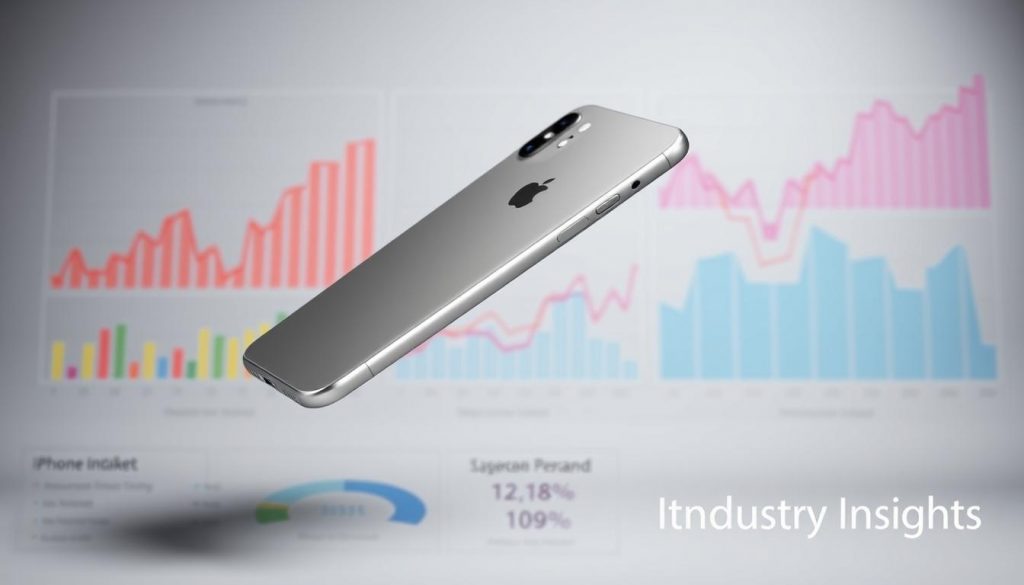
Leaked dummy images of the iPhone 17 Air have come to light. They show a design that is remarkably thin. TechRadar notes the iPhone 17 Air leak reveals a profile of just 5.84mm. This is much thinner than the iPhone 17 Pro Max’s 8.3mm.

These images suggest Apple is focusing on making phones that are both light and powerful. Analysts think this leak might mean Apple is changing its approach to making hardware. The dummy unit’s size hints at new engineering that could lead to thinner batteries or parts.

Rumours suggest the iPhone 17 Air could be released in September. This would follow Apple’s usual pattern of releasing new iPhones.

Key Takeaways

  • Leaked dummy images of the iPhone 17 Air indicate a 5.84mm thickness.
  • TechRadar confirms visual comparisons highlight the iPhone 17 Air’s slimness versus Pro Max models.
  • Apple’s design focus on compact builds may prioritise portability over bulkier components.
  • Rumoured September launch aligns with historical iPhone release patterns.
  • User interest in the iPhone 17 Air leak underscores demand for lightweight smartphones.

Introduction to the iPhone 17 Air Evolution

Leaked dummy unit mockups have long been a sign of what’s coming in tech. Recent images of the iPhone 17 Air show it’s going to be very slim. This fits with the trend of making phones thinner and more minimalist.

Context of the Leak

Dummy unit mockups move through supply chains and online forums. They give hints about what Apple might release next. The iPhone 17 Air is expected to be just 5.5mm thick, which is much thinner than the iPhone 14’s 7.6mm.

These mockups often appear before Apple officially announces new phones. For example, leaks about the iPhone 12’s flat-edge design came out in 2020.

Apple’s Design Strategy

Apple wants to make phones thinner, just like Samsung with the Galaxy S25 Edge (5.84mm). This is shown in industry analyses. Here’s a comparison of recent flagships:

DeviceThickness (mm)
iPhone 17 Air (rumoured)5.5
Galaxy S25 Edge5.84

Trade-offs persist. Making phones thinner might mean they can’t hold as much battery. Some think Apple might use Silicon-Carbon battery tech, as seen in unconfirmed reports on other devices. The mockups suggest Apple is aiming for a balance between looks and function, keeping phones portable but still powerful.

“A slimmer form factor demands innovation in component integration,” says Beebom’s analysis. It notes how Apple’s design choices often lead the way in the industry.

While mockups give us a glimpse of what’s to come, we’ll have to wait for Apple’s official announcement for the full details. The iPhone 17 Air’s mockups show a bigger trend in phone design. It’s all about making phones that look good and work well.

Unveiling the Aesthetic: A Closer Look

Recent leaks show the iPhone 17 Air continues Apple design evolution with small but significant changes. Analysts say its shape is similar to past models but with better proportions and finishes.

Comparative Design Analysis

ModelThickness (mm)Edge Curvature
iPhone 14 Pro7.85Flat
iPhone 15 Ultra7.5Slight rounding
iPhone 17 Air (leaked)6.8Continuous glass-metal flow

The iPhone 17 Air is 9% thinner than the iPhone 15 Ultra, thanks to new components. TechRadar says the edges are tapered, making it look slim but still easy to hold.

Refined Build and Materials

  • Recycled aerospace-grade aluminium frame
  • Scratch-resistant nano-coating on glass panels
  • Lightweight titanium antenna band

The materials used are tough but light, making the phone easy to carry. The camera module is integrated seamlessly, showing Apple design evolution focusing on simplicity. Experts think this could be the future of high-end phone design.

Design Insights: Leaked dummy unit image shows how thin the iPhone 17 Air may look

Leaked images of the iPhone 17 Air give us iPhone 17 design insights into Apple’s latest direction. Analysts say the device’s profile is a big change from older models. This suggests a major shift in how it looks and works.

iPhone 17 design insights

Visual Comparisons with Previous Models

Looking at leaked visuals, we see big differences with the iPhone 15 and 16. The main points are:

  • 12% thinner body than the iPhone 16 Pro Max
  • Flatter edges compared to the 16’s rounded chamfer
  • Camera housing now flush with the back glass

Technical Speculations on Slimness

Engineers think Apple might use ultra-thin aluminum alloys for this slim design. Unverified reports suggest:

  • 0.3mm reduction in screen glass thickness
  • Repositioned battery cells to save space

“Achieving this slimness requires rethinking internal component stacking,” says Sarah Lee, a senior hardware designer at MobileTech Research. “It could prioritise weight savings over battery capacity.”

These iPhone 17 design insights suggest a trade-off between being portable and performing well. Rumours of new thermal management aim to prevent overheating in the thinner design.

Speculations on Performance and Technology

As we look beyond the iPhone 17 Air’s design, performance speculations reveal exciting possibilities. Rumours suggest Apple is working on hardware that will change how we use smartphones. They aim to make devices faster and last longer.

Expected Features and Innovations

Leaked insights reveal several upgrades:

  • A19 chipset built on TSMC’s 3nm process for faster computations and lower power draw
  • Custom-engineered batteries designed for extended usage
  • Vapor chamber cooling to maintain optimal temperatures during intensive use
  • Ram increases: 12GB for Pro models, 8GB for Air variants

Data from Tom’s Guide supports claims of RAM upgrades. It also shows thermal improvements for better performance.

Apple’s in-house battery tech could unlock unprecedented longevity, according to industry sources.

Enhancements in Processing Capabilities

The A19 chipset might focus on multitasking and 4K video processing. Vapor chambers could prevent slowdowns during gaming. Analysts believe these changes could give a 20% boost in real-world tasks.

These speculations show Apple’s effort to balance power and portability. If true, the iPhone 17 Air could be a top choice for speed and thermal management.

Impact on the Market and Consumer Expectations

The leaked design of the iPhone 17 Air has sparked a lot of talk about its market impact analysis. Experts think its slim design and high performance could change how people buy premium smartphones. The recent benchmarks for the iPhone 16e show Apple’s effort to balance cost and innovation. This could lead to big changes in the industry. iPhone 17 Air market impact analysis

Market Reaction and Analysis

Early market impact analysis highlights three main trends:

  • Investor reports suggest mid-range models like the iPhone 16e’s 15% GPU reduction may signal a shift toward value-driven upgrades.
  • Consumer polls show 59% of users prioritise portability over minor performance dips, aligning with the Air’s slim design.
  • Retailers anticipate increased demand for devices with sub-6mm thickness, driven by Apple’s design precedent.

Outlook on Future Trends

“This iteration could catalyse a redefinition of smartphone ergonomics,” said Tech Insights analyst Clara Voss, noting the iPhone 16e’s 40% CPU boost over the SE as a template for affordable power.

Key industry forecasts include:

  1. Competitors may adopt similar slimform factors, with Samsung and Google reportedly testing 5.9mm-thick prototypes.
  2. The A18 chip’s 6-core architecture could set a new baseline for mid-tier processors, pushing rivals to match Apple’s efficiency benchmarks.
  3. Photography-focused users will drive demand for 48MP main sensors, a feature now standardised in flagship models.

Conclusion

The leaked dummy image of the iPhone 17 Air gives us a quick look at Apple’s latest innovation. It shows Apple’s focus on sleek design and using materials wisely. The phone’s slim build and materials point to a minimalist approach, building on past designs with small but important updates.

Analysts think this mirrors Apple’s strategy of making small but significant changes. These updates keep the phone looking and working great.

Rumours say the iPhone 17 Air will have a new A17 Bionic chip and better cameras. These upgrades are expected to make the phone faster and take better photos. The design changes also show Apple’s dedication to staying at the top in smartphone innovation.

The leak also shows a trend in the industry towards thinner phones that still work well. This is good news for those who love sleek designs.

People are excited about Apple’s new phone, and it could set new standards. The iPhone 17 Air’s design and features might make other companies think about how to improve their phones. Even though we haven’t seen the official version yet, the leak makes it clear the iPhone 17 Air is a big step for Apple.

How to Succeed in Negotiations: A Strategic Guide for Professionals

Why do some people get better deals than others? It’s because of strategic negotiation skills. These skills include being well-prepared, adaptable, and building strong relationships. Seyka Mejeur’s experiences show that success comes from smart, flexible approaches, not just from being tough.

Most failed deals come from poor preparation. However, those with training have 78% higher success rates. Today, deals involve economics, sustainability, and reputation, as CIPS data shows. The right strategy can cut agreement time by 40%.

Success isn’t just about winning. It’s about creating value for both sides. Those who do this well enjoy 30% higher client retention. Are you ready to change your approach?

Key Takeaways

  • Preparation prevents 60% of negotiation failures
  • Formal training boosts success rates by 78%
  • Win-win strategies increase client retention by 30%
  • Modern negotiations include sustainability and reputation factors
  • Strategic planning reduces deal-closing time by 40%

The Psychology of Negotiation: Understanding Human Motivations

Every successful negotiation starts with understanding human psychology. It’s not just about numbers—it’s about people and their hidden drivers. The cost of winning at all costs is often overlooked.

Seyka Mejeur learned a key lesson in college. Focusing on “winning” can harm future collaboration. The real goal is to balance outcomes with relationship preservation.

Neuroscience explains why this approach works. Mirror neurons help build trust during talks. Yet, 83% of negotiators ignore the importance of emotional intelligence—a costly mistake.

  • Cognitive biases matter: Anchoring affects 92% of salary discussions. First offers set the tone.
  • Psychological safety boosts creativity: Teams with it generate 45% more solutions (Forbes).
  • Watch for micro-expressions: Seven subtle cues signal readiness to deal.

Building long-term partnerships relies on emotional bank accounts. Deposits like fairness and respect build trust. Withdrawals, like short-term wins, can damage relationships.

Great negotiators listen for interests, not just positions. They know that psychology shapes deals before the first handshake.

How to Succeed in Negotiations: A Strategic Guide for Professionals

Short-term gains can harm business relationships in the long run. Seyka Mejeur’s aerospace contract talks show that. Those who focused on “winning” had 68% fewer repeat deals. Collaborative negotiators, on the other hand, secured 22% higher lifetime contract values.

Why Relationships Trump Short-Term Wins

Adversarial tactics might get a better price today but hurt trust. Consider adding sustainability clauses to vendor contracts. Partners who focus on shared value reported:

  • 3:1 positive ratio: Three trust-building interactions for every concession.
  • Reputation capital: 40% faster dispute resolution.
  • Global adaptability: Cross-cultural styles reduced deadlocks by 31%.

The Hidden Costs of “Winning” at All Costs

Aggressive strategies can backfire. A tech supplier lost a £2M deal due to strict terms. Ethical frameworks help avoid this:

“Post-deal relationship protocols—like quarterly check-ins—boost retention by 35%.”

In negotiation, success isn’t just about the deal. It’s about keeping doors open for future work.

The 5-Step Negotiation Framework for Consistent Results

Success in negotiation comes from a proven framework. A structured process cuts down on uncertainty. It ensures both sides get value. Here’s how experts turn tension into teamwork.

Step 1: Preparation and Goal Setting

Start by setting clear goals. CIPS research shows that prepared negotiators get 42% better terms. Key steps:

  • Develop a BATNA (Best Alternative to a Negotiated Agreement) to know your limits.
  • Use a matrix to map stakeholders in multi-party talks.
  • Sort goals: Must-haves vs. nice-to-haves.

Step 2: Active Listening and Information Gathering

Forbes says listening is a key skill that’s often overlooked. Ask open questions like, “What would make this work for you?” Look for:

  • Hidden priorities (budget, timelines, reputation).
  • Non-verbal cues (hesitation on specific terms).

Step 3: Creative Problem-Solving

Deadlocks often come from being too rigid. Use the SCAMPER method to think outside the box:

TechniqueApplication
SubstituteSwap payment terms for extended deadlines.
CombineBundle services to increase perceived value.
ModifyAdjust delivery schedules to accommodate both parties.

Step 4: Proposal and Counteroffer Strategies

Start with a high but realistic offer. For pricing, bracketing is better than aggressive anchoring:

  • Bracketing: Start slightly above your target to have room to give in.
  • Trade non-monetary clauses (e.g., flexible timelines for cost savings).

Step 5: Closing with Mutual Satisfaction

Aim for outcomes where both sides feel heard. Use digital tools to document agreements and plan follow-ups. After the deal, 85% of successful negotiators review implementation within 30 days.

“The signature is just the start—relationship nurturing ensures long-term wins.”

Advanced Negotiation Tactics Used by Top Professionals

Master negotiators don’t rely on luck. They use proven tactics that change outcomes. These methods mix psychology, timing, and flexibility to create win-win scenarios.

advanced negotiation tactics

Leveraging Tactical Empathy

Forbes calls tactical empathy a game-changer. It’s not just about understanding emotions. It’s using them to shape the outcome.

Key uses:

  • Emotional labeling: Naming feelings (“This seems frustrating”) builds rapport.
  • Cognitive empathy: Predicting objections by mapping the other party’s priorities.

The “Parking Lot” Technique for Stalled Discussions

When talks stall, top negotiators put aside tough issues. This keeps the conversation moving and lessens power struggles.

Here’s how it works:

  • Set aside points that are hard to agree on.
  • Bring them back with new information or options later.

Framing Your Pitch for Maximum Impact

How you present your offer can change how it’s received. The contrast principle and loss aversion are key strategies.

Examples:

  • Highlight what you’ll miss (“You’ll miss X benefits”) instead of what you’ll gain.
  • Start with a high offer, then adjust to your real target.

“In high-stakes deals, the right frame often matters more than the numbers.”

Common Negotiation Mistakes (And How to Avoid Them)

Even experienced negotiators can make mistakes that hurt their chances. From not preparing enough to misunderstanding cultural norms, these errors can cost deals. CIPS data shows that 62% of failures are due to avoidable mistakes.

Underestimating the Power of Preparation

Not preparing well is a big mistake. Seyka Mejeur’s candidates often lose leverage by not preparing their BATNA. Without it, they give in too easily.

Key preparation gaps:

  • No walk-away point: 42% settle for less than they should (CIPS).
  • Over-negotiation fatigue: Long, complex deals can fall apart.
  • Confirmation bias: Ignoring data that goes against your assumptions.

Failing to Define Non-Negotiables Early

Not stating deal-breakers early can lead to problems. Remote negotiations make this worse—digital misunderstandings cause 31% more deadlocks.

Avoid these mistakes:

MistakeSolution
Vague prioritiesShare must-haves in the first meeting.
Cultural misstepsResearch local customs for international deals.
Ethical erosionSet clear boundaries before talks begin.

Great outcomes start with clear goals. Write down terms quickly to avoid post-deal disputes. Seyka says, “The best negotiators fix errors before they happen.

Negotiating in Different Scenarios: Adapting Your Approach

Every negotiation is different, needing a unique strategy. What works for salary talks might not work for vendor contracts. Seyka Mejeur’s candidates who adapt their skills to the situation get 37% better results. Being flexible is crucial, whether discussing equity or procurement terms.

Salary and Job Offer Negotiations

Job talks need finesse. Focus on the total package—salary, bonuses, and benefits. Seyka’s data shows that candidates who negotiate the whole package earn 15% more than those who only focus on salary.

Pro tips:

  • Benchmark first: Use platforms like Glassdoor to anchor your requests.
  • Trade non-cash perks: Remote days or training budgets add value.
  • Time it right: Discuss raises after performance reviews, not during crises.

Vendor and Contract Discussions

In business procurement, building relationships is key. CIPS found that contracts based on performance reduce disputes by 28%. Make terms flexible:

  • Milestone payments: Tie fees to deliverables.
  • Renegotiation clauses: Adjust for market changes annually.
  • Shared KPIs: Align incentives with vendor goals.

Remote vs. In-Person Negotiations

In business procurement, building relationships is key. CIPS found that contracts based on performance reduce disputes by 28%. Make terms flexible:

  • Milestone payments: Tie fees to deliverables.
  • Renegotiation clauses: Adjust for market changes annually.
  • Shared KPIs: Align incentives with vendor goals

When we mix scenarios online and offline, we need to be tech-smart. Video calls can miss out on important body language. So, we use clear agendas and tools like shared dashboards to keep things clear.

Best practices:

  • Pre-send materials: Avoid screen-sharing delays.
  • Use chat for sidebars: Clarify points without interrupting the flow.
  • Confirm in writing: Summarize agreements post-call to prevent missteps.

Mastering the Mindset of a Top Negotiator

The key to being a great negotiator is not just about tactics. It’s about having the right mindset. Seyka Mejeur’s research shows that disciplined thinking can lead to 42% better long-term outcomes.

Confidence vs. Aggression: Striking the Balance

Being assertive is important, but being aggressive can harm relationships. Top negotiators use strategies like emotional labeling to show confidence without being aggressive. The main difference is:

  • Growth mindset: Views deadlocks as solvable puzzles.
  • Fixed mindset: Sees impasses as personal failures.

Neuroscience shows that calm negotiators build trust by mirroring each other’s emotions. Techniques like box breathing help manage stress.

The Win-Win or No-Deal Philosophy

Stephen Covey’s win-win approach is not just idealistic; it’s a smart strategy. Deals that benefit both sides see 35% higher compliance rates. Use cognitive reframing:

“Ask not just ‘What do I want?’ but ‘What can we create together?’”

Being ethical helps avoid short-term gains that harm relationships. A win-win mindset helps align values early to avoid later conflicts.

Mindset TraitImpact on Outcome
ResilienceReduces fatigue in multi-round talks
Cultural humilityCuts cross-cultural deadlocks by 31%
Walk-away powerStrengthens leverage by 22% (CIPS)

Great negotiators see every discussion as a chance to build success, not just close a deal. The right mindset turns obstacles into opportunities.

The Role of Communication in Effective Negotiation

Clear communication is key in high-stakes negotiation. Forbes research shows that 73% of deadlocks come from misunderstood priorities, not conflicting interests. Mastering verbal and non-verbal cues can turn tension into collaboration.

effective negotiation communication

Active listening is a top skill. Top negotiators use the LARA method:

  • Listen without interrupting
  • Acknowledge concerns explicitly
  • Respond with tailored solutions
  • Ask clarifying questions

Digital channels add complexity. Email lacks tone, while video calls miss subtle cues. Match medium to context:

ScenarioBest Channel
Initial proposalVideo call + shared doc
Price negotiationsPhone for real-time feedback
Final termsIn-person with written summary

Silence is a powerful tool. Pausing for 3–5 seconds after making an offer can lead to bigger concessions, up to 18%. Use it wisely with:

  • Open body language
  • Neutral facial expressions

“Storytelling frames proposals as mutual wins. Clients recall stories 22x more than data.”

Having a clear document can prevent 40% of disputes after a deal. Use simple language and highlight what needs to be done. For teams working together, using standard templates can cut down errors by 31%.

Building Long-Term Partnerships Through Negotiation

Building strong business relationships is key to growth. Seyka Mejeur found that partnerships built through teamwork have 73% higher renewal rates. It’s not just about the deal, but the trust built along the way.

CIPS research shows three ways to build trust in partnerships:

  • Joint value frameworks: Create KPIs together to measure impact.
  • Transparency benchmarks: Use scorecards to track communication and ESG alignment.
  • Risk-sharing models: Adjust rewards based on performance milestones.

Regular audits help keep relationships strong. Seyka’s teams do quarterly relationship health checks. One aerospace supplier increased retention by 40% after starting these reviews.

Partnership ToolOutcome
Co-development agreements28% faster innovation cycles
Succession clausesReduces contract disputes by 35%
ESG alignment metrics22% higher stakeholder satisfaction

“Negotiation isn’t a door—it’s the hallway connecting future opportunities.”

Measuring success together, not just profits, is important. Use shared dashboards to show data on delivery times, carbon footprints, and community impact. This transparency can cut misunderstandings by 60%.

Great relationships last longer than any deal. By focusing on long-term partnerships, negotiators can create repeat collaborations and redefine success.

Conclusion: Becoming a Negotiation Leader

True negotiation leadership is about building legacies, not just deals. Great leaders measure success by lasting partnerships, not just short-term gains.

Seyka Mejeur’s career shows how advanced skills can evolve into mentorship. Ethical frameworks ensure every outcome benefits all parties.

Modern leaders adapt by:

  • Mentoring teams with competency models
  • Integrating AI tools for smarter strategies
  • Prioritizing global standards and transparency

The final lesson? Leadership turns negotiations into opportunities that ripple across industries.

FAQ

What makes a negotiation successful?

A successful negotiation balances confidence, preparation, and flexibility. It focuses on mutual value rather than just winning. Understanding both parties’ needs leads to better outcomes.

How can professionals improve negotiation skills?

Practicing active listening, refining strategy, and studying real-world deal scenarios help. Confidence grows with experience, but preparation remains key.

Why is relationship-building important in negotiations?

Strong relationships create trust, making future deals smoother. Short-term wins may harm long-term partnerships, reducing future opportunities.

What are common mistakes in business negotiations?

Poor preparation, ignoring non-negotiables, and aggressive tactics often backfire. A clear strategy prevents rushed decisions and weak agreements.

How do top negotiators handle stalled discussions?

They use techniques like the “parking lot” method—temporarily setting aside tough issues—to keep talks moving while preserving the relationship.

What’s the best way to approach salary negotiations?

Research market rates, highlight contributions, and frame requests collaboratively. Confidence and clear value propositions strengthen the case.

How does tactical empathy influence outcomes?

Understanding the other party’s perspective builds rapport. It uncovers hidden interests, making problem-solving easier and agreements more durable.

Why define non-negotiables early?

Setting boundaries upfront saves time and prevents wasted effort. It clarifies deal-breakers so both sides focus on viable options.

What’s the difference between remote and in-person negotiations?

Remote talks require sharper communication to avoid misunderstandings. In-person meetings benefit from body language but demand more preparation.

How can professionals stay confident without being aggressive?

Confidence comes from preparation, not dominance. Assertive yet respectful communication fosters better results than intimidation tactics.

Pricing Strategies for Equipment Rental Companies: What You Need To Know

Should you charge more for rental equipment or keep prices low? This is a big question for rental businesses in the UK. It’s about finding the right balance to attract customers and make a profit.

Some say setting high prices can attract high-end clients. Others think offering lower prices can increase your market share. The choice depends on your business goals and the overall costs involved.

Key Takeaways

  • High-end price points may attract clients seeking top-quality service.
  • Budget-friendly rates can bulk up your market share in a tight economy.
  • In-depth cost analysis helps set a suitable rental price for each item.
  • Monitoring competitor pricing is crucial for a balanced rental rate.
  • Flexible pricing strategies boost profits while retaining customer trust.
  • Market research ensures your equipment rental rates fit the right target group.

Why Pricing Strategies for Rental Equipment Matter

Many rental businesses try to find the perfect price. They want to make a profit and keep customers happy. Experts say the best price depends on the market, what customers want, and how much equipment you have.

Setting a high price can mean you offer top service. But, a lower price might attract people to rent for longer. Companies use software to handle all these different rates. This blog post on pricing strategies explains how to set the right price. It’s all about knowing your market and making sure each piece of equipment is profitable.

Identifying Key Issues in the Rental Business

Rental teams face many challenges. They have to deal with costs, equipment wear and tear, and competition. A clear pricing policy helps keep finances stable. It also shows renters that they’re getting good value, even if some costs seem high.

How Market Demand Influences Rental Rates

When people really want certain equipment, prices go up. If demand falls, you might offer discounts to fill empty spaces. You can adjust prices based on demand. This way, you can make more money by encouraging longer rentals.

  • Track each rental period to spot trends
  • Analyse competing providers before adjusting rates
  • Revisit strategies if bookings show unexpected dips
Pricing ApproachKey Outcome
Dynamic PricingReal-time rate changes based on demand
Weekly Rate AdjustmentSteadier cash flow and extended rentals

Premium Pricing vs. Budget Pricing: Which Fits Your Operation?

In the UK, many rental companies debate between high prices and low deals. This choice depends on their pricing strategy and brand image. Some charge more for unique items. Others offer lower prices to get more bookings and sell more items.

Top companies often set high prices to show they have the latest gear. This can make their products seem more valuable. But, they must plan carefully. They watch their rates closely and consider costs for marketing, upkeep, and staff. They also keep an eye on short-term trends that change demand.

Business owners must figure out their rental costs, including insurance and repairs. Going for cheaper might mean more turnover. However, charging more could attract a loyal customer base. Both ways can increase profits if managed well and with an eye on what customers want.

Case Study Context: Real-World Pricing Wins

One bold shift in approach can bring surprising gains. HSS Hire, known for its construction equipment, shows how effective pricing can fuel growth. They refined their pricing for busy months, ensuring their equipment was used to its full potential.

They noticed a spike in rental days with the right pricing strategy. They found that clients looking for longer rentals were willing to pay less. This led to a pricing strategy that offered both bulk deals and competitive prices.

Rental Company Profile

HSS Hire started in London and serves building contractors, event planners, and homeowners. Their product range changes with the seasons. They build trust with timely deliveries and expert advice.

Challenges and Strategies

They faced challenges like depreciation of high-end equipment and local competition. To tackle this, they streamlined their costs. They offered flexible deals and used real-time software to adjust prices during busy times. This approach kept customers happy.

Key FactorDetails
Fleet SizeExtensive range for small and large sites
Pricing FocusAgile rate adjustments across peak seasons
Software ToolsReal-time tracking for maximum utilisation

5 Proven Models for Rental Pricing

Many equipment rental companies struggle to find the perfect price. They must balance costs, market competition, and accurate pricing. Different equipment types make it even more challenging.

  1. Cost-Plus Margin: First, add up all costs. Then, add a markup. For example, if it costs £50 to manage an item and you want a 30% margin, the final price is £65.
  2. Competitive Pricing: Look at what others charge. If a rival asks £60, you could charge £58 to attract more customers.
  3. Psychological Pricing: Price items at £9.99 instead of £10. This encourages quicker decisions, perfect for reaching a wide audience.
  4. Bundle Pricing: Offer deals on multiple items. Discounts for longer rentals or combining popular items can increase value.
  5. Dynamic Pricing: Change prices as needed. Raise rates during busy times and lower them when it’s quiet to keep bookings steady.

Each method helps set the right price. But, every rental business owner must watch for prices that are too low. Careful planning is key to setting fair prices and growing steadily.

ModelKey BenefitConsideration
Cost-Plus MarginGuarantees profit above equipment costsMay overlook market demand
Competitive PricingStays in line with rival ratesProfits can drop if undercutting persists
Psychological PricingCaptures customers through perceptionLess suitable for premium brands
Bundle PricingEncourages multi-item rentalsStill must cover total costs
Dynamic PricingResponds to shifts in demandRequires real-time monitoring

Dynamic Pricing Tactics in the Rental Industry

Software helps providers set high prices when equipment is scarce. They keep prices low when many items are idle. This way, businesses can adjust prices based on demand and competition. It keeps rental income stable and fair for clients.

Adapting Rates for Longer Rental Periods

Clients who rent for longer periods want good deals. Offering flexible rates can help. This approach ensures consumer satisfaction and loyalty.

Rental companies typically package add-ons or give discounts on longer projects. This allows them to make a profit while generating more bookings through word-of-mouth.

Balancing Supply, Demand, and Competitors

Watching what rivals charge helps set your prices. Different models, like JCB or Komatsu, might have different prices during peak seasons. However, each piece of equipment should stay competitive.

Considering seasonal shortages can change your strategy. When you have more inventory, a small price drop can attract new customers. Knowing the market well helps businesses adjust without losing profit.

Psychological Pricing Tricks for Rentals

Creating a sense of value begins with the right pricing strategy. It must appeal to both practical and emotional needs. Prices like £99 or an extra day free can make deals seem like a bargain. High demand also pushes customers to book quickly.

Rental companies that offer discounts for longer periods attract customers looking for savings. Companies that rent out multiple items can benefit from package deals.  This reduces the cost of each item compared to booking them individually.

Psychological Pricing Tricks for Rentals

For more tips, check out this practical guide.

Setting the Right Price: Key Factors to Consider

Deciding on the right price is crucial for small rental businesses. It involves looking at the product’s unique features and how long it’s available. This approach helps build trust and steady growth, thanks to regular cost checks.

Rental management software gives you real-time updates on your inventory. This lets you adjust prices quickly. Keeping an eye on similar equipment rates ensures your prices stay competitive. This strategy helps avoid undercharging and keeps customers happy by showing the value of what they’re renting.

Type of Equipment and Rental Period

Specialist equipment is usually more expensive to purchase than conventional equipment and has a higher rental rate. Some businesses charge varied rates for daily, weekly, and monthly rents.

Standard rates are commonly classified as day rates, for example £100, weekly rates of £600, and monthly rates of £2,400. This serves a wide range of customers while generating significant profits.

Profit Margins and Operational Costs

Profit depends on several factors, including maintenance, fuel, storage, and insurance costs. Keeping an eye on these expenses is key to smart pricing. A system for tracking utilisation helps predict repairs and downtime, preventing lost revenue. Regularly reviewing income against expenses helps decide how much to invest in upgrades and improvements.

Maintaining equipment efficiently and keeping major repairs down to an absolute minimum is also critical for maximising utilisation and profitability. This is especially important in the equipment rental market, where clients demand quality and value.

When to Offer Discounts or Premium Service

Sales Executives often debate whether charging more or offering discounts is better. A rental business might lower prices during slow times to keep utilisation up. However, some customers are willing to pay more for extra services.

Setting prices is all about finding the right balance. If prices are too high, customers might leave. Offering special deals on certain items can encourage them to come back. Deals tied to loyalty or long-term national agreements can also increase demand.

Providing premium services like high-value / complex project support can also add value. Rental software helps track customer trends and find the best times to offer discounts.

Equipment rental software determines which customers are most profitable. It helps to determine the proper discount level while maintaining the brand’s identity. Prices must adjust when demand changes; therefore, monitoring this is crucial for success.

Strategy TypeWhen to OfferBenefitsWatch Out For
DiscountsOff-peak dates or large ordersEncourages bookings, boosts volumeCheap brand image if overused
Premium ServiceHigh-value contracts or urgent needsEnhanced support, client loyaltyFewer takers if pricing too high

Monitoring Results with Rental Management Software

Large rental companies use modern systems to manage bookings and receive timely information. Tools like Salesforce and MCS provide real-time data. This enables sales executives to assess whether they need to adjust the rental prices at any given time. This method promotes a premium service while minimising revenue shortfalls.

Tracking Customer Feedback

Platforms such as Satmetrix also let clients rate price fairness and quality of service. If you get negative reviews, it’s a sign to adjust your pricing and service levels. Positive feedback shows you’re pricing and quality of service are right.

Keeping prices balanced and a consistent high level of service builds trust and loyalty with customers.

Key Takeaways: How to Price Your Rentals

Every successful pricing strategy starts with a detailed cost analysis. Companies watch their expenses closely before setting prices.

Adjusting rental prices to match the market keeps a business agile. Looking at what competitors charge helps understand local trends. Many businesses change their prices when demand changes. Being open with customers builds trust, leading to more projects.

4 Key Pricing Strategies To Follow.

  1. Test premium pricing if you offer unique value—otherwise, stay competitive.
  2. Use tiered/dynamic pricing to capture different customer segments.
  3. Leverage psychology (decoy effect, anchoring) to guide choices.
  4. Track competitors but don’t race to the bottom—focus on service differentiation.

“Price is what you pay. Value is what you get.”
— Warren Buffett

How to Price Your Rentals

Conclusion

Rental pricing is a continuous process. It involves watching trends, adjusting rates, and checking performance. This ensures that rates stay in line with current market conditions.

Using data from management tools is extremely helpful. Each item of equipment has unique costs, utilisation, and profit margins. Regular inspections on seasonal changes, competition, and promotions are essential and keep revenue coming in, even as the market moves.

During busy times, offering extra services can boost earnings. But a simpler approach works better when it’s quiet. UK businesses stay ahead by using cost models, making quick changes, and keeping a close eye on things.

The bottom line is that by implementing and sticking to a solid sales strategy, you will strengthen customer relationships, keep clients satisfied, and expand in an ever-changing, fast-paced rental market.

Cultural Awareness In The Workplace: Why It Matters and How to Improve It

Ever wondered why some teams do well while others struggle? It’s often because of cultural awareness. In today’s world, knowing about different customs and ways of communicating is crucial. It’s not just nice; it’s essential for business success.

Cultural Awareness In The Workplace: Why It Matters and How to Improve It

Understanding cultural differences, like Greek and Albanian head-nodding, is key. It also means aligning with laws like the UK’s Equality Act 2010. This approach promotes inclusivity, boosts innovation, and improves teamwork. Companies that focus on this see better results in engagement and productivity.

But how do businesses create such environments? Training and inclusive policies are crucial. This article will show you how to make your workplace more culturally sensitive.

Key Takeaways

  • Defines cultural awareness as understanding diverse values and behaviours in professional contexts.
  • Highlights its role in fostering global citizenship and teamwork.
  • Explains the link between language fluency and cultural nuances.
  • Mentions UK legal frameworks like the Equality Act 2010.
  • Introduces practical steps like training modules for workplaces.

What Is Cultural Awareness in the Workplace?

A nod can mean ‘no’ in some cultures but ‘yes’ in others. This shows the importance of cultural awareness. It’s about understanding and respecting different traditions, communication styles, and values in the workplace. It’s more than just speaking the language; it’s about knowing the unspoken rules.

It begins with self-awareness. Knowing your own biases helps you become culturally competent. The UK’s Equality Act 2010 makes this a legal requirement, aiming to eliminate both obvious and subtle microaggressions.

For instance, a thumbs-up is okay in Britain but not in some Middle Eastern countries. This shows that knowing the language isn’t enough. You need to understand the reasons behind people’s actions.

Surface-Level UnderstandingDeep Cultural Awareness
Knowing common greetingsRecognising context (e.g., formal vs. informal)
Translating wordsInterpreting tone and body language
Avoiding obvious taboosRespecting historical or religious sensitivities

Companies that focus on cultural awareness have fewer conflicts and stronger teams. Training covers important topics like:

  • Non-verbal cues (e.g., eye contact norms).
  • Festivals or holidays affecting availability.
  • Decision-making styles (consensus vs. top-down).

Why Cultural Awareness Matters for UK Businesses

Building a successful business in the UK is not just about money. It’s also about understanding different cultures. Companies that get this right see better teamwork, more innovation, and smoother operations.

diversity in the workplace

Legal and Ethical Responsibilities Under the Equality Act 2010

UK employers must follow the Equality Act 2010. This law protects employees from unfair treatment. It means making changes for religious needs or flexible hours during important holidays.

Not following this law can lead to expensive tribunals. A recent tribunal case showed the costs of firing someone because of their cultural dress. Having good policies helps avoid these problems and builds trust.

“Diversity isn’t just a buzzword—it’s a legal imperative. Companies ignoring this face financial and reputational fallout.”

Enhancing Teamwork and Innovation

Diverse teams can make 21% more profit, says McKinsey. Why? They bring new ideas, which is key in today’s global markets.

  • Global adaptation: Teams that understand different cultures make better products.
  • Problem-solving: Different views help find solutions faster.

One tech company saw a 30% increase in new ideas after cross-cultural workshops.

Mitigating Workplace Conflicts and Misunderstandings

Conflicts often start from misinterpreted gestures or communication. Training helps avoid these issues:

  1. It teaches about non-verbal signs (like silence in meetings might mean respect, not boredom).
  2. It tackles hidden biases through interactive exercises.

After training, Company X reduced complaints by 40%. The benefits? Happier teams and better retention.

5 Strategies to Improve Cultural Awareness

Creating an inclusive workplace starts with clear strategies. These steps help teams work well together, respect each other, and solve problems.

1. Conduct Cultural Competency Training

2. Create Cultural Broker Roles

  • Appoint team members to:
    • Explain unspoken norms (“In our culture, this gesture means…”)
    • Mediate misunderstandings

3. Implement Inclusive Policies

  • Accommodate:
    • Religious holidays (floating PTO)
    • Language preferences (translation tools)
    • Communication styles (written vs. verbal updates)

4. Foster Cultural Curiosity

  • Host:
    • “Lunch and Learn” sessions about team members’ backgrounds
    • Book clubs featuring global business case studies

5. Lead by Example

  • Executives should:
    • Publicly acknowledge cultural gaffes and corrections
    • Celebrate diverse festivals alongside traditional holidays

Providing Cultural Competency Training and Workshops

Training, like EasyLlama’s modules, builds essential skills. Role-playing helps staff practice dealing with real-life situations, like understanding non-verbal signs or tackling hidden biases.

“ERG-led workshops, as recommended by Strasity, empower employees to lead discussions on inclusivity.”

Encouraging Open Dialogue and Employee Resource Groups

Monthly Culture Cafés offer safe spaces for open talks. These meetings let teams share, ask, and challenge without fear.

Integrating Cultural Awareness into Company Policies

Policies should show a real commitment to diversity. For example:

  • Flexible holiday times for Diwali or Eid.
  • Clear rules on using inclusive language in all communications.

Promoting Cross-Cultural Mentorship Programmes

Mentorship programmes pair staff from different backgrounds. TechCo’s programme helped minority groups get promotions 30% faster, showing the power of mentorship.

Celebrating Cultural Events and Holidays

Recognising global festivals, like Lunar New Year or Juneteenth, makes everyone feel included. Teams might have potlucks or invite speakers to share their traditions, making the workplace richer.

Regular surveys help improve these strategies. They ensure they meet staff needs and drive real progress.

Real-World Success Stories

Success leaves clues—these businesses prove cultural sensitivity drives tangible results. From sales surges to staff retention, measurable outcomes highlight the benefits of inclusive practices.

cultural awareness workplace

RetailCorp saw a 50% sales jump in MENA markets after training staff on local customs. Their cultural competency programme covered negotiation styles and religious holidays, helping the team build trust with clients.

DavidsonMorris’ data shows similar wins. Their international assignment support reduced repatriation issues by 40%, ensuring smoother transitions for employees returning to the UK.

In healthcare, an NHS Trust cut staff turnover by 25% after introducing prayer spaces and flexible breaks. This simple accommodation strengthened morale across diverse workplace teams.

“Investing in inclusivity isn’t just ethical—it’s smart business. Our ERG programme boosted LGBTQ+ inclusion scores by 35% in one year.” — Global Bank Diversity Lead

A manufacturing firm halved mediation cases after conflict resolution training. Sessions addressed unconscious bias, helping employees navigate differences constructively.

These stories share a common thread: proactive steps yield measurable benefits. Whether through training or policy changes, prioritising understanding pays dividends.

Measuring Progress in Cultural Awareness

Tracking progress in cultural sensitivity ensures businesses stay on course with their inclusivity goals. Quantifiable data transforms good intentions into actionable results, from employee satisfaction to legal compliance.

Employee Feedback and Engagement Surveys

Quarterly pulse surveys gauge inclusion effectively. Questions might cover:

  • Comfort levels in sharing cultural perspectives.
  • Perceptions of managerial support.
  • Suggestions for improving the process.

Strasity’s research highlights continuous feedback loops as critical. One financial firm linked manager bonuses to survey scores, boosting participation by 60%.

Tracking Diversity Metrics and Retention Rates

Numbers reveal gaps. Key metrics include:

MetricToolExample
Promotion ratesHR analytics30% faster promotions for minority employees post-mentorship.
External perceptionGlassdoor ratingsHigher scores correlate with inclusive policies.
RetentionTurnover data25% drop after flexible holiday policies.

“Annual gender pay gap reports aren’t just compliance—they’re transparency benchmarks.” — UK Diversity Lead

Regular audits ensure alignment with the Equality Act 2010. This process turns data into meaningful change, fostering long-term awareness.

Conclusion

Accepting differences is not just right—it’s smart for today’s businesses. It helps meet the Equality Act 2010 rules and boosts profits. Focusing on cultural awareness is a win-win.

Quick solutions don’t cut it. A long-term commitment to training and inclusive policies builds trust. DavidsonMorris’ data shows firms investing in this see 40% fewer conflicts.

Begin now: check your policies, celebrate diversity, and get advice from experts like Strasity. Picture global villages where every voice is heard. The benefits—happier employees, stronger teams—are worth it.

How Satellites Are Powering the Future of Business and Innovation: What You Need To Know

How Satellites Are Powering the Future of Business and Innovation: What You Need To Know. Satellites are changing the game in many industries. They are not just for old-fashioned tasks anymore. They are key to new ideas in business, like earth observation and innovation in space.

Companies like AST Networks are leading the way in global connectivity. They offer fast Internet to even the most distant places on Earth.

The future looks bright with satellites and new technology like Artificial Intelligence and 5G. These advancements will make satellites work on their own, connecting us all better. Soon, we’ll see even more amazing tech like edge computing and quantum communication.

Japan has already invested $230 million in high-resolution earth observation. This shows how important satellites are becoming for business.

By the end of 2025, over 10 million IoT devices will use satellites. This growth will help a lot in farming and shipping. It shows how satellites are crucial for the future of business and innovation.

Key Takeaways

  • Satellites are driving a transformative wave across various business sectors.
  • Advancements in LEO satellite constellations offer global high-speed internet, even in remote areas.
  • Future satellite innovations like AI and quantum communication could greatly enhance data transmission and security.
  • Significant investments like Japan’s in earth observation satellites stress the strategic value of space-based technologies.
  • The rising number of IoT devices connected via satellite technology underscores the potential for exponential growth in sectors like agriculture and maritime.

The Connectivity Revolution: Internet From Above

LEO satellite internet is changing the game in satellite communication. Amazon’s Project Kuiper and Elon Musk’s Starlink are leading the way. They aim to bring the internet to parts of the world that are hard to reach.

Thousands of LEO satellites are being launched. They’re making the internet faster and more reliable for education and business. This network in Low Earth Orbit cuts down on signal delay, making it a strong rival to traditional broadband.

The LEO Advantage

LEO satellites are close to Earth, which means they have much less delay. A team from Telesat, Vodafone Group, and the University of Surrey achieved a record low latency of 18-40 milliseconds. This is a big deal for fast data transfer.

Global Access to High-Speed Internet

Starlink and Project Kuiper are making fast Internet available to remote areas. Starlink has already launched over 8,000 satellites, serving millions. Amazon plans to add 3,200 more. This will bring more people into the digital world.

The Impact on Remote Education and Business

LEO satellite internet is key for education and business in remote areas. It provides fast and reliable Internet. This helps with learning and work in places with poor digital infrastructure.

CompanyNumber of SatellitesUsersPurpose
Starlink8,0005 millionGlobal Internet Coverage
Project Kuiper3,200 (Planned)N/ACompeting Global Reach

LEO satellites are making the internet more accessible worldwide. They’re helping to bridge the digital divide. This is a big step towards a more connected world.

Earth Observation: The Ultimate Business Intelligence

Space technology has advanced quickly, making earth observation technology key for businesses worldwide. Companies use high-resolution satellite images to make smart decisions. These decisions support sustainable and efficient practices.

Precision agriculture satellites are changing farming. They give farmers vital data on soil, crop health, and water use. This helps farmers grow more with less waste.

Also, environmental monitoring through satellites helps companies follow green rules. Satellites spot environmental issues like deforestation and pollution. This info is key for saving our planet.

This tech is also vital for sustainable energy solutions. Satellites track weather and natural resources. They help plan and improve renewable energy projects like solar and wind farms.

High-resolution satellite imagery capturing environmental data

At recent industry shows, like those on Industry Insight, the link between satellites and business was clear. Innovations in space are driving industries forward. As businesses use these advanced tools, the future looks bright and full of possibilities.

Using high-resolution satellite images and earth observation technology in business is a game-changer. It boosts farming and helps the environment. This leads to businesses growing and helping the planet at the same time.

Space-Based IoT: Tracking Everything, Everywhere

The mix of satellite network tech with IoT devices is changing how we track assets and manage supply chains worldwide. By 2025, we expect 10 million satellite-connected IoT devices to be online. This will connect industries like maritime, oil and gas, and agriculture.

This tech lets us track assets in real time over huge and distant areas. It boosts efficiency and helps with global asset tracking. Businesses can now manage their logistics better and collect more data, key for today’s commerce.

The heart of this change is using space-based IoT to improve logistics and supply chain management across borders. It lets us track shipments in real time and change transport routes quickly. This tech gives a big edge in today’s fast market.

As we keep using space-based IoT and satellite networks, we’ll see more efficiency in logistics and asset management. The insights into these technologies show their key role in shaping the future of global supply chains and asset tracking.

Industries Transformed

The role of satellite systems in changing industries is huge. With new space technology, fields like agriculture, energy, and telecom are getting better. Using satellite business applications makes things more efficient and helps the planet.

Precision Agriculture Satellites and Food Security

Precision agriculture and satellite tech together change how we farm. Farmers get detailed data to improve their work. This helps grow more food with less waste, making food safer for everyone.

Integrating Satellite Data for Sustainable Energy Solutions

The need for sustainable energy is growing fast. Satellites help plan and build green energy projects like solar farms. This makes energy use better and cuts costs, helping us switch to cleaner energy faster.

Revolutionising Telecommunications with Satellite Technology

Satellite tech has changed telecom. Now, even remote places can get fast Internet. This move towards a connected world boosts the economy and connects more people.

In South Africa, satellite tech has made broadband access better. A story by Innovation City shows how it’s changing local economies by connecting even the most distant areas.

IndustryImpact of Satellite TechnologyKey Benefits
AgriculturePrecision monitoring and data analysisIncreased crop yield, resource optimisation
EnergyMapping and development of renewable resourcesCost reduction, sustainable infrastructure
TelecommunicationsEnhanced broadband connectivityWider access, economic growth

satellite systems enhancing industries

I

The Road Ahead: 2024-2030 Outlook

Looking ahead, satellite technology is set to make big leaps. It will improve what we can do now and bring new changes to many areas. This decade will see a lot of growth in new tech and changes in space policies.

We expect to see more autonomous satellites and small constellations soon. These will give us better internet and clearer views of Earth. Also, AI and big data will make satellites work smarter and faster.

Emerging Technologies and Trends

New technologies like space solar power and better ways to travel in space are coming. These will make space missions cheaper and more sustainable. They will help us do things like watch the environment and bring internet to the world.

Anticipating Changes in Global Satellite Regulations

Changes in international space policies are important for the future. More countries and companies are going to space. We need rules to manage space traffic and clean up space junk. These rules will help keep space safe and clean.

The Role of AI and Big Data in Next-Generation Satellites

AI and big data will change how we use satellite data. Satellites will give us better weather forecasts, watch the environment in real time, and show us global changes. This will help us make better decisions for disasters, resources, and science.

Conclusion

The global satellite market is set for big growth and change. New space-based innovations are opening up new ways for businesses worldwide. They are improving connectivity, gathering intelligence, and changing how we do business and care for the environment.

India is working on affordable space solutions, and Europe’s Iris² project is ambitious. These efforts show how countries are working together to use satellites in new ways. They aim to change how we communicate and do business.

The satellite industry is moving towards being more sustainable. Projects like space-based solar power could give us constant energy, no matter the weather. The European Space Agency wants to create a network of solar satellites, showing a big commitment to green energy.

Also, new ways of sending data, like NASA’s optical communication, are making big strides. Pixxel’s hyperspectral imaging is another example. These advancements are taking data analysis, business insights, and environmental monitoring to new levels.

The satellite industry is key to the future of technology, sustainability, and innovation. Businesses need to start using these new technologies in their plans. The question is, how quickly will they adapt to satellite technology?

Those who embrace these new technologies will lead the way in progress. They will set new standards in their fields. As we look to the future, it’s time for industries to join the satellite market’s journey.

Cyber Threats: What You Need To Know About Cyber Attacks and Security Breaches

Are we ready for the invisible war in our digital world, especially given that our lives and businesses rely on technology more than ever?

Although many of us are blissfully unaware, security breaches and cyberattacks are common and a major concern for us all. Strong cybersecurity is necessary to safeguard our digital lives against these attacks, which can be sneaky at best or extremely harmful at worst.

Cyber threats are getting more complex. Hackers are finding new ways to get past our security, and it’s very important to understand these threats.

We’ll explore the world of cyber threats in this article. We’ll look at different types of attacks and how to protect ourselves, which will help us stay safe in the digital world.

Key Takeaways

  • Cyber threats pose significant risks to UK businesses and individuals
  • Data breaches and ransomware attacks are common forms of cyber attacks
  • Cybersecurity measures are essential for protecting digital assets
  • The landscape of cyber threats is constantly changing
  • Understanding cyber threats is crucial for effective defence
  • Robust cybersecurity strategies are vital in our interconnected world

The Evolution of Cyber Threats in the Modern Digital Landscape

Over time, cyber threats have evolved from simple viruses to complex AI attacks, demonstrating how quickly information security is changing.

Historical Development of Cyber Attacks

Cyber attacks have grown significantly since they started. I believe everyone remembers how significant the Stuxnet malware was in 2010, particularly for Iran. It was the first cyber weapon deployed by one country against another.

Then, threats like Duqu in 2011 and Flame in 2012 came. These showed how complex cyber threats were getting.

Current State of Digital Security

Data security has never been more complicated. Europol warns against criminals’ exploitation of artificial intelligence. This inevitably makes personal information incredibly vulnerable.

Impact on Global Business Operations

Cyber risks have a significant impact on companies around the world. A CrowdStrike update went wrong in July 2024, causing significant disruptions across many industries.

This prompted the UK Financial Conduct Authority to advise businesses to improve their ability to avoid major crises.

YearKey Cyber ThreatImpact
2010StuxnetAttacked Iranian nuclear facilities
2011DuquInformation theft from industrial control systems
2012FlameEspionage on Middle Eastern countries
2024CrowdStrike Update FailureGlobal disruption across multiple industries

Looking at 2025, UK businesses must prepare for increasingly more sophisticated cyber threats. Attackers’ use of AI is likely to worsen. This means businesses must maintain good data security and collaborate with specialists to stay safe.

Common Types of Cyber Threats & Breaches

In today’s digital age, UK companies face many cyber threats. These attacks can ruin critical data and disrupt business operations. Understanding these dangers is critical to successful cybersecurity.

Ransomware attacks are getting more common. They lock up important data and ask us for money to unlock it. The 2017 WannaCry attack on the NHS is an example of this.

Phishing scams are still a major issue. They deceive people into disclosing personal information. These scams appear genuine, but they are actually attempting to deceive us.

DDoS attacks flood systems with traffic, causing problems. They can hit many areas, like online shops and government sites.

Supply chain attacks target an organisation’s suppliers and partners. The 2020 SolarWinds breach showed how big these attacks can be.

Insider threats are a unique challenge. They come from within the company. These can occur on purpose or by accident and result in significant data losses.

Threat TypeDescriptionImpact
RansomwareEncrypts data for ransomData loss, financial costs
PhishingDeceives users to reveal informationCredential theft, data breach
DDoSOverwhelms systems with trafficService interruption, reputation damage
Supply ChainExploits third-party vulnerabilitiesWidespread system compromise
Insider ThreatsOriginates from within an organisationData leakage, intellectual property theft

Companies can prepare to defend themselves by understanding the most frequent cyber threats. This helps to protect their valuable data from breaches.

Primary Sources of Cyber Security Threats

Because cyber security risks are constantly changing, it is challenging for UK companies to maintain their security. To properly defend IT systems, it’s critical to understand the sources of these dangers.

Nation-State Actors

Groups backed by governments use cyber attacks for spying and to disrupt systems. They have lots of resources and go after important data and systems. The UK’s National Cyber Security Centre (NCSC) says these groups are a constant risk.

Organised Crime Groups

These cyber criminals want money, so they use ransomware, steal data, and commit financial fraud. Their very sophisticated online scams can cause significant damage to businesses.

Hacktivist Organisations

Hacktivists attack because they disagree with certain companies. They might hack websites or leak data to make their point. They want to make their voices heard online.

Insider Threats

Threats can come from inside a company, either on purpose or by accident. People with access to important information are a big risk.

The Cyber Security Breaches Survey 2024 shows how UK businesses deal with threats:

Response StrategyPercentage of Businesses
Incident Response Plans60%
Employee Training70%
Regular Software Updates85%
Use of Firewalls80%
Multi-factor Authentication75%

This data shows why it’s vital to act early to fight cyber threats and handle different kinds of attacks.

Understanding Advanced Persistent Threats (APTs)

Advanced Persistent Threats (APTs) are a major concern in network security. They are clever cyberattacks that infiltrate systems without being detected. They stay for an extended period, posing a significant risk to UK companies.

APTs are known for their quietness and durability. They use clever techniques to sneak past standard security checks. They go after critical information, such as secret information or government records. This makes them a major concern for cyber security teams.

The life of an APT goes through the following steps:

  • Initial reconnaissance and infiltration
  • Getting a foothold in the network
  • Moving laterally to get to key systems
  • Stealing data over a long time

Finding APTs is hard because they behave like regular network traffic. This demonstrates the importance of robust security policies and clever detection tools. Companies must focus on remaining strong against these ongoing threats.

Large-scale cyber attacks involving APTs have shown how much damage they can do. The National Cyber Security Centre in the UK is constantly upgrading its advice on how to fight APTs. This shows how the threat is constantly changing.

The Anatomy of Modern Cyber Attacks

To successfully fight against cyber attacks, it is critical to understand how they work. According to the National Cyber Security Centre, the number of complicated breaches is increasing. We’ll look at the stages of these digital attacks.

Reconnaissance Phase

Cyber criminals first gather information on their targets. They scan networks, learn about employees, and find weak spots. This phase is crucial for the attack’s success.

Initial Access Methods

Attackers use many ways to get past network defences. They send phishing emails, exploit unpatched software, and guess weak passwords. If they’re not caught early, the cost of a data breach can soar.

Attackers use a variety of ways to get past network defenses. They send phishing emails, exploit vulnerable software, and guess weak passwords. A data breach can be extremely costly if not detected early on.

Lateral Movement Techniques

After gaining entry, attackers wander about the network to get greater access. They may use stolen login details or exploit system trust. This allows them to locate and capture valuable data.

Data Exfiltration Strategies

The final phase is stealing critical information. Attackers use secret methods to obtain data without being seen. In recent years, these approaches have become more sophisticated, making it difficult to detect them.

Knowing these steps helps organisations prepare and reduce the damage from security breaches.

Impact Analysis of Security Breaches

Impact of cyber security breaches

Security breaches can cause significant harm to UK businesses. According to recent surveys, half of all businesses and one-third of nonprofits have experienced cyber attacks in the last year. The degree of the impact varies according to the size of the business, with larger companies and charities receiving more attacks.

Each type of cyber breach has its consequences. Data breaches can lead to big financial losses, legal fines, and lost customer trust. Ransomware attacks can stop businesses from working, forcing them to pay high ransoms or lose important data. Attacks on the supply chain can affect many businesses at once.

Organisation TypePercentage Experiencing Cyber Attacks
All Businesses50%
Charities32%
Medium Businesses70%
Large Businesses74%
High-Income Charities66%

The financial damage from cyber attacks can be huge. It includes direct costs like fixing systems and indirect costs like lost business chances. Injection attacks, a common threat, can steal data and weaken security.

Managing cyber risks well is key to reducing these impacts. By knowing the different cyber threats and their effects, businesses can create strong security plans. This helps them stay resilient against cyber attacks.

Essential Cybersecurity Protection Measures

In today’s digital world, UK businesses face many cyber threats. It’s vital to have strong security standards to protect against cyber breaches and keep data safe.

Technical Controls

Firewalls, intrusion detection systems, and encryption are key technical controls. Firewalls keep your network safe from the internet. Intrusion detection systems watch for odd activity. Encryption makes data unreadable, keeping it safe if it’s caught in the middle.

Administrative Controls

Administrative controls include security policies, training, and incident response plans. They set rules, teach about cyber threats, and plan for incidents. Regular checks make sure they work against new threats.

Physical Security Measures

Physical security is vital but often forgotten. It includes access controls like biometrics or keycards. CCTV systems scare off intruders and help solve security problems.

Physical security is essential but often overlooked. It includes access controls such as biometrics and keycards. CCTV systems deter attackers and help solve security issues.

“The most common cyber threats are relatively unsophisticated, so government guidance advises businesses and charities to protect themselves using a set of ‘cyber hygiene’ measures.”

To fight cyber threats, including DoS attacks and state-sponsored cyber activities, businesses should follow seven steps:

  1. Regularly back up data
  2. Protect against malware
  3. Keep software up to date
  4. Use strong, unique passwords that need to be periodically changed
  5. Implement multi-factor authentication
  6. Secure mobile devices
  7. Educate employees

These steps follow UK government advice and help protect against cybercrime. They also meet data protection rules and strengthen against advanced cyber threats.

Incident Response and Recovery Strategies

In today’s digital age, UK businesses face increased security risks. They need a solid strategy for dealing with cyber threats. This plan should include identifying, containing, eliminating, and recovering from incidents.

The first step is spotting unusual system activities. Then, contain the issue by isolating affected systems. Next, remove the cause of the problem. Lastly, work to get back to normal.

To keep data safe and business running, strong security measures are key. These include:

  • Regular data backups
  • Strict access controls
  • Data encryption
  • Employee training on data protection

The GDPR requires quick action after a data breach. Companies must tell the Information Commissioner’s Office within 72 hours. They also need to inform those affected right away.

After an incident, it’s important to review what happened. This helps improve cybersecurity. By learning from past incidents, companies can better protect themselves against future threats.

Supply Chain Security Considerations

In today’s world, supply chain security is essential. Companies face many risks from cyber attacks. These threats target holes in their partners’ systems. We’ll look at how to keep supply chains secure and protect against cyber threats.

Third-Party Risk Management

It’s vital to manage risks from third parties well. Companies need to check and keep an eye on their suppliers’ security. A study shows that only 11% of UK businesses check their suppliers’ risks. This shows a big gap in security.

Third-party risks must be carefully managed. Companies must audit and monitor the security of their suppliers. According to one survey, only 11% of UK businesses assess the risks posed by their suppliers. This shows a significant gap in security.

Vendor Assessment Protocols

It’s important to have strict rules for checking vendors. Companies should look at suppliers’ security, data protection, and how they handle incidents. This helps find and fix problems before hackers can use them.

Continuous Monitoring Approaches

Businesses must always watch for threats in their supply chains. This means routinely checking suppliers’ IT security systems, doing tests, and keeping up with new threats. Being alert helps spot and deal with security issues fast.

By following these steps, companies can protect themselves from cyber threats. Good third-party risk management, careful vendor checks, and constant monitoring are key. These steps help build a strong security plan in today’s connected world.

Future Trends in Cyber Threats

The cyber threat landscape is changing fast. Attacks in the last few years have become more complex. UK cyber experts warn that cyber incidents will rise, making cyber security a top priority for businesses.

Emerging Attack Vectors

New vulnerabilities appear as technology grows. Quantum computing could break current encryption, giving hackers access to sensitive data. The Internet of Things (IoT) also increases the number of attack points.

Evolution of Defence Mechanisms

Defence strategies are evolving, too. AI-powered security tools are essential in fighting cyber threats. New encryption methods are being developed to protect against quantum attacks.

Future cyber threats

Predicted Threat Landscape

The future will see more AI-driven attacks. These will target critical infrastructure and lead to big data breaches. Healthcare and finance will be at higher risk because of the value of their data.

Threat TypePredicted ImpactKey Targets
AI-driven attacksHighCritical infrastructure
Quantum-based threatsSevereFinancial institutions
IoT vulnerabilitiesModerateSmart cities, homes

Regulatory Compliance and Security Standards

In the UK, dealing with advanced cyber threats is a huge concern. The General Data Protection Regulation (GDPR) and the Network and Information Systems (NIS) Regulations are crucial. They assist businesses in developing effective defenses against cyber attacks.

Following these rules helps businesses create solid security plans. For example, GDPR requires data protection impact assessments. This helps spot weaknesses before hackers can exploit them. NIS regulations also push essential service providers to defend against cyber attacks.

However, many UK companies don’t know how important these standards are. A recent survey shows:

Organisation TypeAware of 10 Steps GuidanceImplemented 5+ Steps
Businesses13%39%
Charities18%32%
Medium Businesses37%
Large Businesses44%

Even though larger businesses are more informed, there is still a lot to learn. Compliance is more than just observing the regulations. It’s about making security part of your culture. Businesses that follow these rules can protect themselves against cyber threats.

Conclusion

Cyber threats are growing, and we must be careful and ready. Companies need to keep up with new threats. They must have strong plans to fight cyber attacks.

To stop data breaches, businesses should:
* Use many layers of security
* Keep systems up to date
* Do detailed risk checks
* Teach staff about online safety
* Have good plans for when things go wrong

As threats get more complex, companies must change their security plans. They should learn about new dangers, use the latest tech, and make sure everyone knows about online safety. This way, they can protect themselves better and reduce the harm from cyber attacks.

Key Economic Indicators: What You Need To Know

Ever wondered how experts predict economic downturns or booms before they happen? Economic indicators are key tools for analysts, policymakers, and investors. They help understand current economic activity and forecast future trends. But which indicators are most important for understanding a nation’s economic health?

Indicators like Gross Domestic Product (GDP), the Consumer Price Index (CPI), and unemployment figures are crucial. They offer insights into the UK’s financial landscape. By analysing these, one can make informed decisions for business strategies, government policies, or personal investment plans.

These indicators can be leading, coincident, or lagging. For example, leading indicators like the yield curve and consumer durables predict future trends. Coincident indicators, such as GDP and employment levels, show the current state of the economy. Lagging indicators, like CPI and unemployment rates, follow economic events.

It’s vital to understand these different types of indicators for a thorough economic analysis. They help investors predict market trends and enable policymakers to create strategies that boost economic health.

Real GDP, adjusted for inflation, is a key measure. It shows the true growth percentage. GDP growth rates signal whether the economy is expanding or contracting. This affects decisions on interest rates and economic policy.

For example, negative GDP growth for two consecutive quarters might indicate a recession. On the other hand, a period of expansion usually leads to increased consumer spending and inflation.

More details about the importance of these indicators and their use can be found here.

Key Takeaways

  • Economic indicators are crucial for analysing current and future economic activity.
  • Key indicators include GDP, CPI, and unemployment figures.
  • Indicators can be leading, coincident, or lagging.
  • Understanding these indicators helps in making informed business and policy decisions.
  • GDP measures the overall economic output of a country within a specific period.

What Are Economic Indicators & Why Do They Matter?

An economic indicator is a measurable way to check an economy’s health. These include GDP and inflation rates. They help policymakers, businesses, and investors make smart choices.

Definitions and Importance

Economic indicators span a wide range, like GDP and the unemployment rate. GDP shows the total value of goods and services in a country. The unemployment rate tells us about the labour market and spending power.

Inflation, measured by the Consumer Price Index (CPI), shows price increases. These metrics are key to understanding a country’s economy.

Types of Economic Indicators

Economic indicators fall into three main categories:

  1. Leading Indicators: These forecast future economic trends. Examples include stock market performance and business confidence.
  2. Lagging Indicators: These show past economic performance. The unemployment rate and GDP growth rates are examples.
  3. Coincident Indicators: These give a snapshot of current economic health. Consumer spending and industrial production are examples.

How They Influence Economic Policy

Economic indicators are vital for economic policy-making. Central banks watch GDP and inflation to set interest rates. This affects borrowing costs and investment.

High inflation might lead to higher interest rates to slow the economy. High unemployment might prompt more supportive policies to boost jobs. Changes in the trade balance can also influence exchange rates and import-export activities, requiring policy adjustments.

Understanding economic indicators is crucial for strategic decisions in governance and business. They provide insights into the current economy and guide future actions and policies.

Gross Domestic Product (GDP): The Backbone of Economic Analysis

Gross Domestic Product, or GDP, is key to understanding an economy. It measures the total value of goods and services made in a country. Knowing the difference between nominal and real GDP helps us see how an economy is really doing.

Nominal vs. Real GDP

Nominal GDP shows the value of goods and services at today’s prices. But, it can be off when prices rise a lot. Real GDP, on the other hand, adjusts for inflation. This gives a clearer picture of an economy’s size and growth.

The Bureau of Economic Analysis (BEA) uses many sources to figure out GDP. They look at IRS tax returns and other data. This helps them give accurate figures, not skewed by prices.

GDP Growth Rates

GDP growth rates tell us how fast an economy is growing or shrinking. They’re important for those who study and manage the economy. For example, a high growth rate means the economy is doing well, with more production and spending.

The U.S. BEA uses special tools to make these estimates better. They use machine learning to improve their accuracy. This helps them give more reliable information.

GDP per Capita

GDP per capita shows the average economic output per person. It’s a good way to see how well people are doing in a country. It’s also useful for comparing different countries’ economies.

The BEA uses many sources to get this data. They look at things like housing prices and what people spend. This helps them get a full picture of GDP per capita.

MetricDescriptionExample Data Sources
GDPTotal value of goods and services producedIRS tax returns, Quarterly Census of Employment and Wages
Real GDPGDP adjusted for inflationDetailed price inflation series from BLS
GDP Growth RatesSpeed and direction of economic expansionMachine learning tools: random forests, LASSO
GDP per CapitaGDP divided by populationZillow microdata, Nielsen data

Labour Market Data: Unemployment Rate and More

Labour market data are key to understanding the economy and making policy decisions. They include nonfarm payrolls, the unemployment rate, and labour force participation. These numbers give a full picture of job market trends and changes.

Nonfarm Payrolls

Nonfarm payrolls count all U.S. workers, except those in farming, government, and non-profit jobs. This figure shows how well the economy is doing, by looking at jobs in important sectors. For example, the UK’s workforce jobs hit 36.9 million in December 2024, up 403,000 from 2023.

Payrolled employees in the UK also grew, by 9,000, from December 2024 to January 2025. The effect of job creation on the economy is huge. Strong nonfarm payroll numbers often mean the economy is growing.

labour market data

The Unemployment Rate

The unemployment rate shows how many people are jobless but looking for work. In the UK, from November 2024 to January 2025, the unemployment rate for those aged 16 and over was 4.4%. This is higher than last year’s numbers, showing a slight increase.

Knowing the unemployment rate helps shape economic policies and business plans. It ensures resources are used wisely.

Labour Force Participation Rate

The labour force participation rate shows how many people are working or looking for work. In the UK, from November 2024 to January 2025, the economic inactivity rate for 16 to 64-year-olds was 21.5%. This is lower than before, showing a positive change.

Watching the labour force participation rate gives insights into job market engagement. It helps forecast future employment trends.

These employment statistics help businesses and policymakers make smart plans. They shape the overall economic scene. Understanding labour market data, including nonfarm payrolls, unemployment rates, and labour force participation, is vital. It helps tackle economic challenges and seize opportunities.

Inflation Measures: CPI, PPI, and PCE

Inflation is key to watching the economy. It’s measured by the Consumer Price Index (CPI), Producer Price Index (PPI), and Personal Consumption Expenditures (PCE). These tools show how prices change, helping to keep prices stable.

Consumer Price Index (CPI)

The Consumer Price Index looks at the average price change for urban consumers. It covers things like food, housing, and transport. The headline CPI includes everything, while core CPI leaves out food and energy.

By January 2025, the CPI had risen by 0.5% monthly and 3% yearly before adjusting for seasons.

Producer Price Index (PPI)

The Producer Price Index tracks selling prices for domestic producers. It’s about wholesale prices, showing changes in raw goods and services. The Bureau of Labour Statistics (BLS) releases many PPIs each month.

The PPI is seen as a guide for the CPI. When producers raise their prices, consumers often follow.

Personal Consumption Expenditures (PCE)

The Personal Consumption Expenditures price index is the Federal Reserve’s top choice. It looks at how consumer spending changes. PCE gives a wide view of spending, guiding economic policies.

Its focus on spending makes it key for understanding price stability.

MeasureScopeRecent Change
CPIConsumer goods and services+0.5% (Jan 2025 monthly), +3% (annual)
PPIDomestic production pricesDiverse indices released monthly by BLS
PCEConsumer spending patternsDerived from GDP data, accounting for changes in expenditure

Knowing about CPI, PPI, and PCE is vital for checking the economy’s health. Each index gives a different view, together showing how inflation affects the economy.

Key Economic Indicators: What You Need To Know

It’s important to know about key economic indicators to understand the country’s economic health. The Gross Domestic Product (GDP) shows the total value of goods and services produced. It helps us see how well the economy is doing.

GDP can be looked at in different ways, making it a useful tool for analysis. Another key metric is Gross National Income (GNI), which looks at the total value of goods and services produced by a country’s residents. It helps us compare countries’ economic status.

Purchasing Power Parity (PPP) rates are also crucial. They convert economic values into a common unit to compare prices across countries. This helps us understand the real value of goods and services in different places.

key economic indicators every

Leading indicators like the Consumer Confidence Index (CCI) give us early signs of economic trends. The Unemployment Insurance Weekly Claims Report shows if the economy is getting weaker. The CCI, on the other hand, looks at what consumers are thinking and spending.

The Purchasing Managers Index (PMI) shows how manufacturing is doing, which can tell us about GDP growth. Reports on durable goods and factory orders also give us insights into business and consumer confidence. These indicators help us understand the economy better.

IndicatorMeasurementSignificance
Gross Domestic Product (GDP)Total gross value added by resident producersAssesses overall economic output
Gross National Income (GNI)Domestic and foreign value added claimed by residentsFacilitates international comparisons
Purchasing Power Parity (PPP)Economic indicators converted into international dollarsAccounts for price level differences across countries
Consumer Confidence Index (CCI)Tracks consumer perception and spendingPredicts consumer behaviour and economic trends
Purchasing Managers Index (PMI)Reflects manufacturing activityPredicts GDP growth

How These Indicators Influence Business Decisions

It’s key to know how economic indicators shape business plans. Leading indicators like the stock market and consumer confidence help predict the future. When GDP looks up, it means more spending, leading to bigger investments and growth.

Pricing strategies are central to these choices. The Consumer Price Index (CPI) affects how businesses set prices. High inflation might mean higher prices, while low inflation could lead to cuts to boost sales. Investing in gold or bonds can protect against inflation.

Resource allocation is also linked to these indicators. Labour market data guides workforce planning and efficiency. High unemployment can cut spending, hitting profits and requiring resource shifts. But, a PMI above 50 signals growth, boosting profits and encouraging more investment.

Using many indicators with industry insights improves decision-making. For example, rising building permits hint at construction growth, guiding investments. Watching global trade and exchange rates helps businesses adapt to worldwide changes, making strategies stronger. Economic indicators are crucial for strategic planning, keeping companies ahead in their markets.

Using data from the BEA, Federal Reserve, and IMF is vital for planning. Knowing how interest rates affect currency helps manage international risks. In short, grasping economic indicators is essential for success in today’s fast-changing world.

Conclusion

Economic indicators are key in forecasting and planning for businesses. The UK’s GDP growth rate is expected to be 2.1% in 2025. The inflation rate is set to stay at 2.4%, showing a stable economic future.

The unemployment rate is forecasted to be 4.3%, and interest rates are expected to stabilise at 4.1%. This information paints a positive picture for the UK’s economy.

It’s important to understand the different types of economic indicators. Leading indicators, like stock market returns, predict future trends. Lagging indicators, such as unemployment rates, confirm past performance.

Coincident indicators, like GDP, give us a snapshot of the economy’s current state. By using all these indicators, we can make more accurate forecasts and plan better for the future.

Qualitative analysis is also vital. It involves looking at news, surveys, and external factors like social and political events. This helps us get a complete view of the economy.

Tools like data visualisation make it easier to understand complex data. They help us spot trends and patterns. By mastering these tools, businesses and investors can better prepare for economic changes.

5G & Next-Gen Networks Technology: A Comprehensive Guide On What You Need To Know

Are you ready to explore the revolutionary world of 5G networks? They will change how we connect, communicate, and experience technology.

5G is a huge step forward in wireless communication. It offers connectivity that’s far beyond what we’re used to. This new network technology will change many industries, bring new applications, and unlock digital potential in many areas.

5G is the fifth generation of mobile network technology. It has amazing features that are much better than before. With download speeds up to 10 times faster than 4G and latency as low as 1 millisecond, 5G will change how we use digital technology.

The future of wireless technology is in 5G’s ability to handle lots of devices, support real-time applications, and provide strong, secure networks. From self-driving cars to remote surgery, 5G networks will bring big changes to many industries worldwide.

Key Takeaways

  • 5G represents a significant advancement in mobile network technology
  • Supports ultra-fast download speeds and near-zero latency
  • Enables sophisticated real-time applications across industries
  • Provides enhanced security and connectivity
  • Facilitates massive IoT device connections

Understanding the Evolution of Mobile Networks

Mobile connectivity has changed a lot since the start of wireless communication. We’ve moved from simple voice calls to advanced next-gen networks. This change has changed how we talk, work, and see the world.

From 1G to 4G: The Journey to Modern Connectivity

Each new generation of mobile networks has brought new tech. This has made wireless communication better and better:

  • 1G (1980s): Analogue voice calls with speeds of just 2.4 Kbit/s
  • 2G (1990s): Digital communication with SMS
  • 3G (2000s): Mobile internet and smartphones arrived
  • 4G (2010s): Fast internet for streaming and more
GenerationSpeedKey Features
1G2.4 Kbit/sAnalogue voice calls
2G14.4-217.6 Kbit/sDigital voice, SMS
3G384 Kbit/s-336 Mbit/sMobile internet, smartphones
4G100 Mbit/s-1 Gbit/sHigh-speed streaming, VoLTE

Key Features of 5G Technology

5G is a big step forward in wireless connectivity. It offers fast speeds and low latency. This makes it great for the internet of things (IoT) and real-time applications in many areas.

Network Slicing and Virtual Networks

5G’s network slicing is a big deal. It lets us create many virtual networks on one physical network. This means we can tailor networks for different needs, improving connectivity for various industries.

The mobile network is always getting better. It’s changing how we use digital technology.

5G & Next-Gen Networks: What You Need To Know

5G Network Technology Insights

The fifth generation of wireless network technology is a big step forward. 5G Nr (New Radio) is changing how we use digital technology. It brings new chances for businesses and people to connect.

5G has many key benefits:

  • Ultra-low latency communication for real-time talks
  • Fast data transfer for artificial intelligence
  • Stronger network security
  • Support for advanced virtual reality

Different fields are finding new uses for 5G. In healthcare, it makes remote surgical procedures possible. It also helps with advanced medical training through virtual simulations.

In manufacturing, 5G is used for real-time monitoring. It also supports collaborative robotic systems.

Smart cities are getting smarter with 5G. Traffic management, public safety, and environmental monitoring are all getting better.

Transportation is also seeing big changes. Connected and autonomous vehicles can talk to each other instantly. This makes roads safer and more efficient.

5G is not just an incremental improvement—it’s a fundamental reimagining of network connectivity.

Safety is a top priority. The International Commission on Non-Ionizing Radiation Protection (ICNIRP) says 5G is safe. They follow strict guidelines.

Private 5G Networks and Enterprise Solutions

Modern businesses are quickly adopting private 5G networks as a key technology for digital growth. These networks give companies full control over their setup. This leads to custom solutions that boost efficiency.

Private 5G networks mark a big step forward in 5G wireless technologies. They offer strong and safe communication systems made just for each business’s needs.

Benefits of Private Network Deployment

Companies that use private 5G networks get big benefits:

  • Improved network performance and reliability
  • More control over 5G setup
  • Better data security and meeting rules
  • Flexible network design

Industry-Specific Applications

Various sectors are using private networks to change how they work:

  • Manufacturing: Monitoring sensors in real-time
  • Healthcare: Safe sharing of medical data
  • Logistics: Guiding self-driving vehicles
  • Utilities: Managing smart grids

Security and Control Advantages

Private 5G networks offer top security with their own core network setups. This keeps important data safe. Companies can set strict rules for who can access data and where it’s stored. This makes these networks perfect for critical tasks.

As digital change grows, private 5G tech will be key for business communication. It offers the flexibility and speed needed in today’s fast-changing business world.

Transforming Industries Through 5G Technology

5G Industry Transformation

5G technology is changing many industries. It brings new network performance and better connectivity. The future of 5G looks bright, with new solutions for different sectors.

In manufacturing, 5G IoT is making factories smarter. Now, we can monitor and control industrial processes in real-time. This brings many benefits, such as:

  • Autonomous machine tracking
  • Centimeter-level location accuracy
  • Remote equipment management
  • Enhanced operational efficiency

Healthcare is also seeing big changes with 5G. Virtual networks help with important medical tech, like:

  • Telemedicine consultations
  • Remote surgical interventions
  • Continuous patient monitoring
  • Advanced diagnostic imaging

Transportation is getting a big boost too. 5G’s radio access network is key for self-driving cars and smart traffic systems. Its ultra-low latency is crucial for making quick, safe decisions.

Entertainment and digital experiences are also evolving. 5G’s fast data and less congestion mean better streaming, augmented reality, and mobile games.

Conclusion

The arrival of 5G wireless networks marks a major shift in mobile technology. By 2028, 4.6 billion people will use 5G. This change is not far off, but here now.

5G brings new ways to use digital networks. It will change how we work and play online. This includes fast communication and connecting many devices in one area.

Businesses and people will see big changes with 5G. It will help in healthcare, cars, and games. These areas will get better with 5G’s fast and reliable connections.

Getting ready for 5G is key for companies. They need to understand and use this new tech. This will help them stay ahead in a world that’s always connected.

Leaders like South Korea and China are already using 5G. Companies that start using 5G now will lead in innovation. They will stay ahead in the digital world.